

THE ABUNDANCE AND FEATURES OF POLLEN IN OENOTHERA L. GENUS REPRESENTATIVES
tekst: Kazimiera Szklanowska, Witold Czubacki
Pszczelnicze Zeszyty Naukowe, Rok XLIV, Nr 2, 2000 — Kazimiera Szklanowska, Witold Czubacki
strona 255PSZCZELNICZE ZESZYTY NAUKOWE Rok XLIV, Nr 2 2000
Kazimiera Szklanowska, Witold Czubacki*
Department of Botany, Agricultural University, Akademicka 15, 20-950 Lublin, Poland *Agricultural School, Szczebrzeska 102, 22-400 Zamość, Poland
Summary
In 1995-1997 ten species from the genus Oenothera L. (Oenothera acutifolia Rostański, Oe. ammophila Focke, Oe. biennis L. ssp. biennis, Oe. erythrosepala Borbas, Oe. fallax Renner em. Rostański, Oe. lamarciana L., Oe. lamarckiana Seringe, Oe. paradoxa Hudziok, Oe. salicifolia Desf. ex G. Don, Oe. silesiaca Renner) were grown on a light podsolic soil in Rozkopaczew near Lublin. It was found that the flowering period of investigated species coupled and lasted from July till the end of September. The pollen exposure started in a flower bud. Honeybees began foraging on Oenothera flowers at dawn. The peak of visits occurred between 5 a.m. and 7 a.m. East European Summer Time, which was connected mainly with nocturnal dynamics of flower opening. Pollen loads formed by honeybees were large, light and loose, with a gossamery – villose surface. The forming of pollen loads was difficult because pollen grains were glued together by viscin threads. In the genus Oenothera the size of pollen grains ranged from 75.5 μm (Oe. paradoxa) to 97.5 μm (Oe. erythrosepala). The pollen yield per 1 ha ranged from 140 kg (Oe. acutifolia, Oe. lamarckiana, Oe. paradoxa) to 240 kg (Oe. erythrosepala). For the other 6 studied species the values were approx. 200 kg/ha. The biological value of pollen differed both between the species and between the years of study. The percentage of viable grains ranged from 48 to 85% while the values of the germination energy were from 7 to 43%.
Keywords: Oenothera, flowering, pollen, pollen efficiency, bee foraging.
INTRODUCTION
This paper presents the results of 3 years of studies on the pollen production in flowers of 10 evening primrose species related mainly to Oenothera biennis L. In Poland most of these species grow in natural plant communities. They can be cultivated also as ornamental plants in gardens. The literature dealing with a taxonomy of different groups and forms of Oenothera L. genus representatives is quite detailed (among others Rostański 1998). Rawski (1948) mentioned the melliferous value of evening primrose. Lipiński (1982) includes Oenothera biennis among valuable honey plants grown on wastelands and along roadsides. Recently, the results of studies on the pollen production in Oe. biennis flowers (Szklanowska and Bartyś 1995) as well as on the honey and pollen yields of Oe. lamarckiana Ser.
strona 256(Szklanowska and Czubacki 1995, 1997) were published. Wolin et al. (1984) found that honeybees were the most effective vectors of Oenothera pollen grains. Strubińska and Śnieżko (1999) described untypical growth of pollen tubes in Oenothera hookeri L.
MATERIAL AND METHODS
The first observations and measurements concerning the flowering process in Oe. biennis L. started in 1993 and were continued throughout 5 years. The studies were carried out on plants grown in the same natural habitat, in Lublin. However in 1995-1997 ten following Oenothera species: Oenothera acutifolia Rostański, Oe. ammophila Focke, Oe. biennis L. ssp. biennis, Oe. erythrosepala Borbas, Oe. fallax Renner em. Rostański, Oe. lamarciana L., Oe. lamarckiana Seringe, Oe. paradoxa Hudziok, Oe. salicifolia Desf. ex G. Don. and Oe. silesiaca Renner, were cultivated in Rozkopaczew near Lublin. Plants grew on a loamy sand-originated podsolic soil (class IV on land capability scale). The soil was warm, fertilised and weeded as recommended. After 2 weeks of vernalisation, seeds were sown in rows, 1 cm in depth, between 15th and 20th April. The spacing was 50 x 20 cm. After germination, seedlings were thinned to leave 10 plants per 1m2. Additionally, the loosening of soil between rows was made when needed.
The dynamics of flower opening, pollen production and visits of pollinators on flowers were studied with methods recently used in bee botany (Jabłoński and Szklanowska 1997). To find the relations between anther size and quantity as well as quality of pollen produced in flowers of investigated Oenothera, 4 samples for each species were collected. Each sample contained 100 anthers. The freshly gathered anthers were weighted and dried. Then, they were weighted again. The viability test as well as the germination test was performed on pollen grains immediately after collecting pollen from anthers. Moreover, a size of pollen grains was determined. The diameter was measured from the base of vestibulum to the opposite wall (a secant of triangle). The amounts of pollen produced in flowers of studied species were established with Szklanowska method (1984, 1995) during the full bloom of a species.
RESULTS
Flowering. The plants of evening primrose started to germinate in the middle of May. First flowers appeared on plants at the beginning of July. The „peak bloom” of investigated ten species occurred in August. Termination of flowering started in September. The plants completed their flowering in the middle of October. The flowering period of Oenothera representatives lasted approx. 90 days.
strona 257During the longest days of July, the flower opening occurred between 7 p.m. and 10 p.m., with a sharp peak at 9 p.m. (East European Time). At this time approximately 80% of a daily number of large buds started to open. After midnight flower buds opened only sporadically. The declines in temperature as well as cold spells caused delays in flowering and decreased the total number of flowers opened during a day. An increase of temperature as well as warm rainfalls intensified and speeded up the flowering process.
The number of flowers formed on 1 plant strongly differed between species and in 1995 varied from 172 (Oe. lamarckiana) to 412 (Oe. paradoxa). In 1996 the values ranged from 210 to 400 flowers per 1 plant. In the last year of studies (1997), the mean numbers of flowers formed on 1 plant of eight Oenothera species were the lowest, except two of them (Oe. ammophila and Oe. lamarckiana). These data indicate that more or less abundant flowering of plants was influenced by the weather during a year of study (Fig.1).
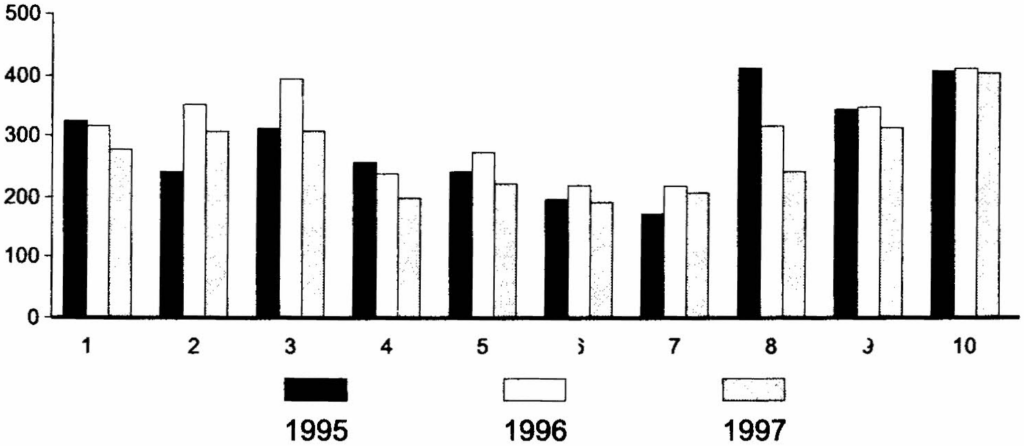
The evening primrose plants grown on 1 m2 of experimental plot formed 2.000 to 4.000 flowers on average, depending on species. In the course of 3 years of studies the number of flowers per 10 plants or per 1 m2 of crop varied by 500 or 1.000. For example, in 1996, plants of Oe. biennis L. developed per 1 m2 800 flowers more than they did in 1995 and 1997. Plants of Oe. paradoxa were the most susceptible to variable weather conditions. In consecutive years of studies they formed 4.100, 3.200 and 2.400 flowers per 1 m2. In 1997 the weather conditions were especially unfavourable for the flowering of all investigated Oenothera species.
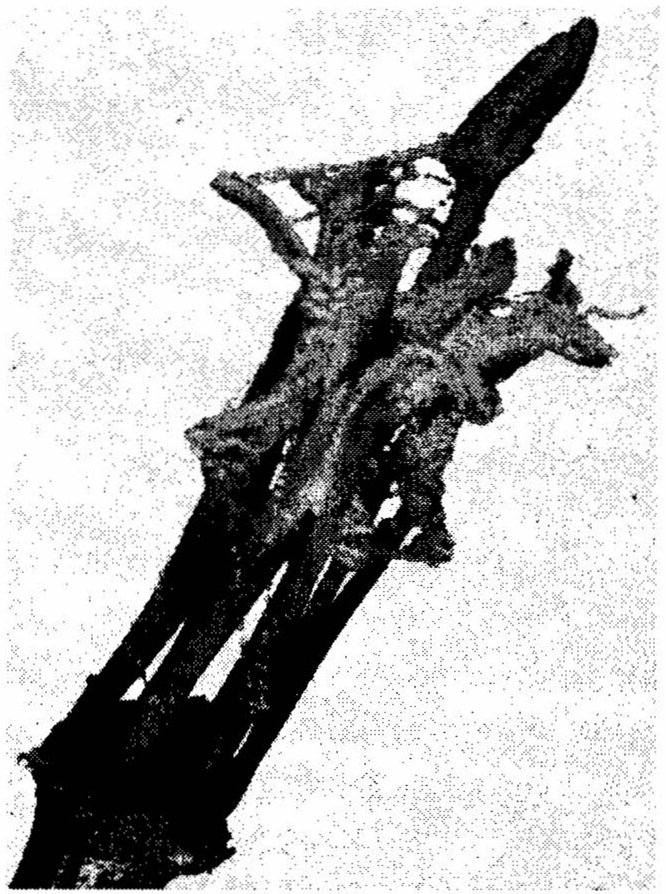
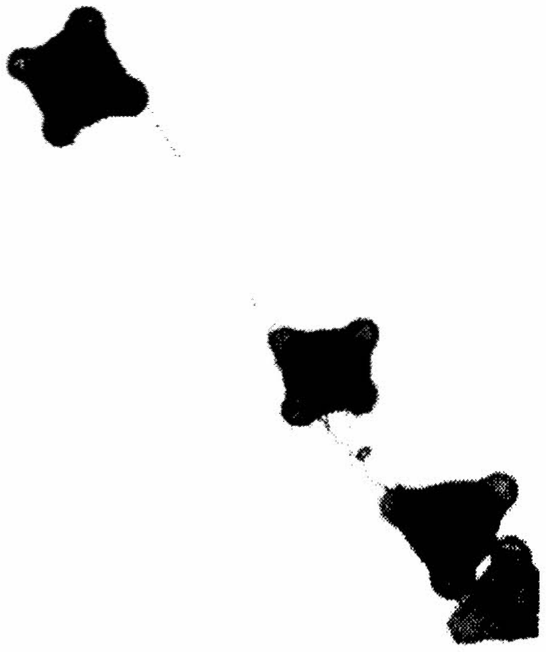
strona 258Pollen production and bee foraging on flowers. There are 8 stamens in flowers of Oenothera. The filaments are distinct. The anthers are large, elongated, dehiscing longitudinally already in the flower bud stage. Pollen does not leave anthers as soon as they are open, because pollen grains are connected by viscin (Fig. 2, 3). There are one or two filaments on exine of each grain. The filaments are derived from a primary wall of an archesporial cell, during a division of tetrads. They also make grouping of grains more easy. All these threads cause the pollen to join in festoons. When honeybees or bumblebees collect the pollen loads of Oenothera they are unable to pack the pollen because of these threads. The festoons of pollen look like a yellow cobweb. Removed mechanically when the insect touched anthers, they stick and twin round the body of pollinator. If the Oenothera flowers are not visited during morning, the pollen may stay inside the anthers even when the petals wilted. Then, the pollen can be collected in full during a day. The formed pollen loads are yellow, loose, large and light. The weight of one pair of pollen loads is 3 to 5 mg. The surface of loads is gossamer and villose because of viscin threads. In July, if an apiary is placed nearby an evening primrose crop honeybees very readily visit first freshly opened Oenothera flowers during light evenings. At this time they collect mainly pollen because nectar is still inaccessible for them. Nectar accumulates gradually
the night flowers of Oenothera are visited by butterflies. In the morning, from 4(5) a.m., honeybees begin to forage on flowers very numerously, collecting both nectar and pollen. The visit frequency increases until 6(7) a.m. and then the number of bees working on the Oenothera flowers decreases. Insects stop to visit flowers at 9(10) a.m. when the corolla has wilted.
Pollen yield and pollen features. Every year of studies the lowest amounts of pollen, approx. 4 mg, were produced by 1 flower of Oe. acutifolia and Oe. paradoxa /Tab.1/. The weights of pollen supplied by 1 flower of Oe. lamarciana and Oe. erythrosepala were almost twice as high and they were 8-10 mg and 8-12 mg, respectively. For the other 6 species the pollen amount per 1 flower ranged from 6 to 7.5 mg. In all studied Oenothera species the mean weight of pollen produced by 1 flower is a constant feature. The differences in the quantity of pollen produced in anthers, found in the consecutive years of studies, should be connected with an influence of the weather conditions during sporogenesis.
In Table 2 all studied Oenothera species are arranged in the order of increasing mass of 100 anthers, both fresh and dry, (averaged over the years of study). It was found that the order of the weights of pollen produced by 100 anthers of investigated species is the same. The data obtained from the same numbers of fresh and dry anthers ranged from 385 to 980 mg and from 91 to 219 mg, respectively. The percentage of pollen in 100 dry anthers was constant, approx. 60%. One hundred anthers of the smallest flowers of Oe. acutifolia and Oe. paradoxa produced approx. 55 mg of pollen while the amounts of pollen obtained from 100 anthers of the biggest flowers of Oe. lamarciana and Oe. erythrosepala were twice as high (112-131 mg). The pollen weight in 100 anthers of the other 6 studied species ranged from 71 to 95 mg.
Table 1 The average mass of pollen per one flower for ten investigated Oenothera L. species (in mg) Średnia masa pyłku z jedego kwiatu poszczególnych gatunków Oenothera L. (mg)
| Year – Rok | 1 | 2 | 3 | 4 | 5 | 6 | 7 | 8 | 9 | 10 |
|---|---|---|---|---|---|---|---|---|---|---|
| 1995 | 4.6 | 7.3 | 7.0 | 7.8 | 7.2 | 9.0 | 7.8 | 4.5 | 6.9 | 5.7 |
| 1996 | 4.6 | 6.9 | 6.7 | 12.2 | 8.5 | 9.9 | 7.2 | 5.2 | 6.0 | 6.7 |
| 1997 | 3.9 | 5.6 | 6.3 | 11.6 | 7.0 | 8.1 | 6.1 | 3.6 | 6.3 | 4.7 |
| Average – Średnio | 4.37 | 6.60 | 6.67 | 10.53 | 7.57 | 9.00 | 7.03 | 4.43 | 6.40 | 5.70 |
(1-10) – Studied species: 1- Oe. acutifolia 2- Oe. ammophila 3- Oe. biennis ssp. biennis 4- Oe. erythrosepala 5- Oe. fallax 6- Oe. lamarciana 7- Oe. lamarckiana 8- Oe. paradoxa 9- Oe. salicifolia 10- Oe. silesiaca
strona 260Table 2 The comparison of weight of anthers and mass of pollen produced by anthers of Oenothera L. species (average from 3 years for each species) Porównanie masy pręcików i ilości pyłku w nich wytwarzanego (średnie z 3 lat dla każdego gatunku wiesiołka)
| Examined species — Badane gatunki | Mass of 100 anthers in mg — Masa 100 pręcików w mg: Fresh — świeże | Mass of 100 anthers: Dry — suche | Mass of pollen in 100 dry anthers — Masa pyłku w 100 suchych pręcikach: mg | Mass of pollen in 100 dry anthers: % |
|---|---|---|---|---|
| Oe. acutifolia | 385.0 | 91.0 | 54.6 | 60.0 |
| Oe. paradoxa | 388.0 | 92.0 | 55.1 | 59.9 |
| Oe. silesiaca | 466.0 | 118.0 | 71.1 | 60.3 |
| Oe. salicifolia | 537.2 | 133.0 | 80.1 | 60.2 |
| Oe. ammophila | 570.7 | 137.5 | 82.7 | 60.1 |
| Oe. biennis | 571.4 | 138.3 | 83.1 | 60.1 |
| Oe. lamarckiana | 646.0 | 146.0 | 87.9 | 60.2 |
| Oe. fallax | 668.0 | 159.0 | 94.8 | 59.6 |
| Oe. lamarciana | 834.0 | 192.0 | 112.5 | 58.6 |
| Oe. erythrosepala | 980.0 | 219.0 | 131.3 | 60.0 |
| Average – Średnia | 604.63 | 142.58 | 85.32 | 59.98 |
The results of 5 years of studies on plants of Oe. biennis L. grown in the wild showed a similar regularity /Tab. 3/. In this species 80 anthers collected from 10 flowers, weighted from 411 to 456 mg. The water content was approx. 75%. The percentage of dry mass of pollen reached 60%. Every year one flower of Oe. biennis produces similar amount of pollen – 6 to 7 mg.
In consecutive years of studies the differences in pollen production by 100 anthers of investigated species were 10-17% (Oe. biennis, salicifolia, acutifolia), 20-30% (Oe. lamarciana, fallax, lamarckiana, ammophila) and 45-55% ( Oe. silesiaca, paradoxa, erythosepala). In general, also the number of flowers formed per plants grown on 1 ha differed significantly (Tab. 4). Those differences caused that the mean pollen yield per 1 ha ranged from approx. 140 kg (Oe. acutifolia, Oe. lamarckiana, Oe. paradoxa) to 215-241 kg (Oe. salicifolia, Oe. silesiaca, Oe. biennis, Oe. erthrosepala), however for the other Oenothera species reached 200 kg/ha. The biological value of pollen of 10 Oenothera species varied form species to species. The viability of pollen grains (the condition of their food value for insects) ranged from 45 to 60% (Oe. salicifolia, silesiaca, acutifolia, ammophila, fallax) and from 76 to 86%. Every year the most viable pollen was produced in flowers of Oe. biennis ssp. biennis (61-90%), Oe. erythosepala (76-81%), Oe. lamarciana (77-93%) and 85-90% Oe. paradoxa (Fig. 4). The diameter of pollen grains varied from 75.5 μm (Oe. paradoxa) to 97.5 μm (Oe. erthrosepala). For the other species it ranged from 84(87) μm to 93(95) μm.
strona 261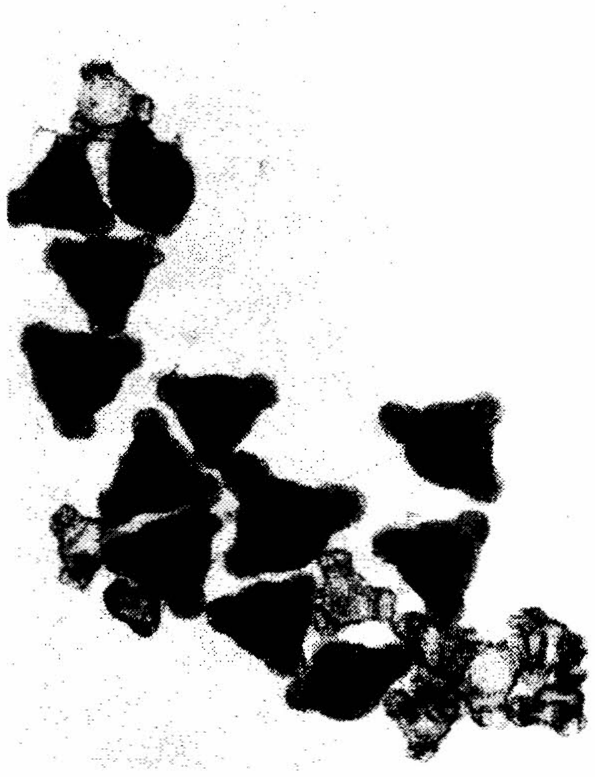
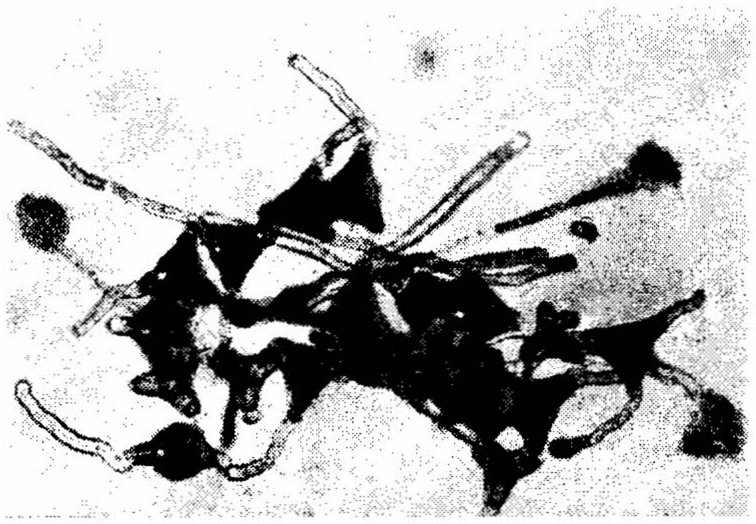
Table 3 Weight of anthers, mass of pollen from 10 flowers and grains’ value in Oenothera biennis L. (the data from wildly grown plants in years 1993-1997 in Lublin) Masa pręcików i wydajność pyłkowa oraz wartość biologiczna pyłku z 10 kwiatów Oenothera biennis L. (dane dotyczą roślin dziko rosnących w Lublinie w latach 1993-1997)
| Year of study — Rok badań | Mass of anthers from 10 flowers in mg — Masa pręcików z 10 kwiatów w mg: Fresh mass — Świeża masa | Mass of anthers: Dry mass — Sucha masa | H2O content in anthers — Zawartość wody w pręcikach % | Dry mass of pollen from 10 flowers — Sucha masa pyłku z 10 kwiatów: mg | Dry mass of pollen: % | Biological value of pollen grains — Biologiczna wartość ziaren pyłku %: Viability — Żywotność | Biological value: Germination — Zdolność kiełkowania | Biological value: Potential* energy — Energia* potencjalna |
|---|---|---|---|---|---|---|---|---|
| 1993 | 435.0 | 101.7 | 76.6 | 60.8 | 59.8 | 61.1 | 4.5 | 7.4 |
| 1994 | 411.0 | 110.7 | 73.1 | 66.2 | 59.8 | 71.7 | 5.8 | 8.1 |
| 1995 | 456.0 | 116.0 | 74.6 | 69.6 | 59.8 | 80.2 | 7.5 | 9.4 |
| 1996 | 471.3 | 111.5 | 76.6 | 66.7 | 59.8 | 89.0 | 6.8 | 7.6 |
| 1997 | 424.7 | 106.1 | 75.0 | 62.9 | 59.0 | 74.7 | 8.2 | 11.0 |
| Average / Średnio | 439.60 | 109.20 | 75.12 | 65.24 | 59.64 | 75.34 | 6.56 | 8.70 |
*-Pollen germination in relation to viability in % *-Zdolność kiełkowania ziaren pyłku w stosunku do ich żywotności [%]
strona 262Table 4 Abundance of blooming and pollen efficiency as well as the features of grains of pollen for ten Oenothera species cultivated during years 1995-1997 Obfitość kwitnienia i wydajność pyłkowa oraz cechy ziaren pyłku 10 gatunków Oenothera L. uprawianych w latach 1995-1997
| Species – Gatunki | Year — Rok | Number of flowers — Liczba kwiatów mln / ha | Mass of pollen — Masa pyłku kg / ha | Features of pollen — Cechy pyłku: Viability — Żywotność [%] | Features of pollen: Diameter — Średnica [μm] |
|---|---|---|---|---|---|
| Oe. acutifolia Rostański | 1995 | 32.4 | 147.7 | 60.0 | 89.1 |
| 1996 | 31.6 | 145.7 | 51.5 | 85.2 | |
| 1997 | 27.8 | 109.5 | 39.8 | 85.8 | |
| x | 30.60 | 134.30 | 50.43 | 86.70 | |
| Oe. ammophila Focke | 1995 | 24.4 | 179.1 | 62.5 | 98.7 |
| 1996 | 35.2 | 241.5 | 43.2 | 93.3 | |
| 1997 | 31.0 | 174.8 | 66.4 | 87.0 | |
| x | 33.53 | 198.47 | 57.37 | 93.00 | |
| Oe. biennis L. ssp. biennis | 1995 | 31.3 | 217.8 | 78.2 | 85.8 |
| 1996 | 39.4 | 262.8 | 90.5 | 87.9 | |
| 1997 | 30.8 | 194.3 | 60.7 | 90.0 | |
| x | 33.83 | 224.97 | 76.47 | 87.90 | |
| Oe. erythrosepala Borbas | 1995 | 25.8 | 202.0 | 75.5 | 88.5 |
| 1996 | 23.8 | 290.1 | 77.7 | 96.0 | |
| 1997 | 20.1 | 232.8 | 80.6 | 108.0 | |
| x | 23.23 | 241.63 | 77.93 | 97.50 | |
| Oe. fallax Renner em. Rostański | 1995 | 24.1 | 173.5 | 71.5 | 87.0 |
| 1996 | 27.5 | 234.9 | 54.7 | 93.9 | |
| 1997 | 22.5 | 157.3 | 57.3 | 88.8 | |
| x | 24.70 | 188.57 | 61.17 | 89.90 | |
| Oe. lamarciana L. | 1995 | – | – | – | – |
| 1996 | 22.0 | 217.6 | 93.5 | 93.9 | |
| 1997 | 19.2 | 155.9 | 76.8 | 96.9 | |
| x | 19.50 | 186.75 | 85.15 | 95.40 | |
| Oe. lamarckiana Seringe | 1995 | 17.2 | 134.5 | 61.0 | 77.1 |
| 1996 | 21.8 | 155.9 | 84.7 | 87.9 | |
| 1997 | 20.6 | 126.1 | 60.0 | 88.2 | |
| x | 19.87 | 138.83 | 68.57 | 84.40 | |
| Oe. paradoxa Hudziok | 1995 | 41.2 | 183.8 | 89.7 | 75.9 |
| 1996 | 31.9 | 165.2 | 86.2 | 76.8 | |
| 1997 | 24.4 | 87.1 | 85.0 | 73.8 | |
| x | 32.50 | 145.37 | 86.97 | 75.50 | |
| Oe. salicifolia Desf. Ex G. Don | 1995 | 34.4 | 237.7 | 64.5 | 83.7 |
| 1996 | 35.0 | 210.0 | 30.0 | 93.9 | |
| 1997 | 31.4 | 198.1 | 37.9 | 91.8 | |
| x | 33.60 | 215.27 | 44.13 | 89.80 | |
| Oe. silesiaca Renner | 1995 | – | – | – | – |
| 1996 | 41.2 | 276.9 | 43.2 | 91.5 | |
| 1997 | 40.5 | 188.7 | 50.7 | 84.9 | |
| x | 40.85 | 232.80 | 46.95 | 88.20 |
The germination of pollen in 3-porate Oenothera grains (more rarely in 4-porate grains of Oe. acutifolia and Oe. ammophila) was not always typical (Fig. 5). Most pollen grains emitted only one pollen tube, but we also observed 2 or 3 pollen tubes germinating simultaneously (Oe. biennis, erythosepala, lamarckiana, paradoxa, silesiaca). Sometimes two pollen tubes germinated from one porus. Additionally, those tubes branched. In general, the poorest pollen germination was found in Oe. acutifolia, fallax, salicifolia (4-7%) while the best germination was observed for Oe. erythosepala, lamarckiana, paradoxa (30-43%).
DICUSSION
The melliferous value of Oenothera has not been investigated until now, so our results concerning pollen production in representatives of this genus cannot be compared to other data.
When pollen efficiency of 10 Oenothera species is analysed, the big differences between the years of studies are noteworthy. However, the significant differentiation in flowering abundance in consecutive years of study can explain these differences. The fluctuations in pollen mass produced by 100 anthers of species that occurred in the years of investigations showed the effect of weather conditions on sporogenesis. It seems that the mean amount of pollen produced in anthers of studied Oenothera depends more on the size of pollen grains than on the percentage of viable pollen grains.
Untypical growth of pollen tubes observed in our study on Oenothera representatives is similar to that which was described in Oe. hookeri L. by Strubińska and Śnieżko (1999).
CONCLUSIONS
In Rozkopaczew near Lublin climatic conditions favourable to the flowering of all studied Oenothera species were very long and lasted from the beginning of July till the end of September. Observed species developed 2.000 to 4.000 flowers per 1 m2 of crop, on average. The differences in flowering abundance between the years of study ranged from 10 to 30%. Only in the case of Oe. paradoxa did they reach 70%.
In all studied species flower opening occurred in late evening, with a peak at about 9 p.m. East European Time. The anthers dehisce in the flower bud stage. The petals wilt next day in the morning at about 9(10) a.m.
Depending on species, the pollen amounts produced by 100 anthers, by one flower and per 1 ha of crop were: 50-130 mg, approx. 4-10 mg and 140-250 kg, respectively. The diameter of pollen grains ranges from 75 to 95 μm. The percentage of viable pollen grains was from approx. 50% (Oe.
strona 264acutifolia, Oe. salicifolia, Oe. silesiana) to over 80% (Oe. lamarciana, Oe. paradoxa).
The pollen of Oenothera L. is readily collected by honeybees. Insects collect the pollen from early morning – 4(5) a.m. till 9(10) a.m. when petals wilt. Pollen loads formed by honeybees are large, loose, yellow with a gossamery – villose surface, covered by viscine. The weight of one pair is small, 3-5 mg.
All studied Oenothera species are very good sources of pollen. They also supply nectar, readily collected by bees. It is worthwhile to move hives close to plantations of Oe. paradoxa grown as medicinal plant.
REFERENCES
Czubacki W., Szklanowska K. (1995)- Wstępne badania nad wartością nektaru i pyłku wiesiołka (Oenothera lamarckiana Ser.) dla owadów zapylających. Zbiór prac II Sympozjum „Olej z nasion wiesiołka w profilaktyce i terapii”. Łódź: 102-104.
Jabłoński B., Szklanowska. (1997)- Wpływ niektórych czynników pogody na kwitnienie, nektarowanie, pylenie i oblot przez owady zapylające entomofilnych roślin uprawnych. Biologia kwitnienia, nektarowania i zapylania roślin. I Ogólnopol. Konf. Nauk. LTN-Lublin: 53-58.
Lipiński M. (1982)- Pożytki pszczele. Zapylanie i miododajność roślin. PWRiL, Warszawa: 247.
Rawski W. (1948)- Pożytek pszczeli Cz. III – Wartość pożytkowa roślin dzikich i uprawnych. Wydawnictwo Ex Libris, Warszawa.
Rostański K. (1998)- Trudności w identyfikacji gatunków Oenothera L. Zbiór prac III Sympozjum „Olej z nasion wiesiołka i inne oleje zawierające kwasy N-6 lub N-3 w profilaktyce i terapii.” Sulejów: 255-260.
Strubińska J., Śnieżko R. (1999)- Wzrost łagiewek pyłkowych w warunkach in vitro z pyłku Oenothera hookeri L. świeżego i poddanego mrożeniu. PTNA, Lublin, Bibliotheca Fragmenta Agronomica, 6: 31-37.
Szklanowska K., Pluta S. (1984)- Wydajność pyłkowa sadu wiśniowego odmian Kerezer, Nefris, Łutówka. Pszczeln. Zesz. Nauk., 28: 63-90.
Szklanowska K. (1995)- Pollen flows of crowfoot family (Ranunculaceae L.) from some natural plant communities. In: Changes in Fauna of Wild Bees in Europe. Pedagogical Univ., Bydgoszcz: 201-214.
Szklanowska K., Bartyś E. (1995)- Wydajność pyłkowa kwiatów wiesiołka i wierzbówki z rodziny Onagraceae L. XXXII Nauk. Konfer. Pszczelarska. ISK Puławy, Materiały z konfer., 70-71.
Szklanowska K., Czubacki W. (1997)- Wyniki 2-letnich badań obfitości pylenia (Oenothera L.). XXXIV Nauk. Konfer. Pszczelarska. ISK Puławy, Materiały z konfer., 65-66.
strona 265Wolin G.L., Galen C., Watkins L. (1984)- The breeding system and aspects of pollination effectiveness in Oenothera Speciosa (Onagraceae). The Southwestern Naturalist, 29(1): 15-20.
OBFITOŚĆ PYLENIA I CECHY PYŁKU PRZEDSTAWICIELI RODZAJU OENOTHERA L.
Szklanowska K., Czubacki W.
Streszczenie
W zbiorowiskach naturalnych w Polsce występuje obecnie 28 gatunków z rodzaju Oenothera L. i większość z nich można uprawiać jako rośliny ozdobne w ogrodach. W celu poznania wartości pożytkowej tych roślin, w latach 1995-1997 uprawiano 10 gatunków: Oenothera acutifolia Rostański, Oe. ammophila Focke, Oe. biennis L. ssp. biennis, Oe. erythrosepala Borbas, Oe. fallax Renner em. Rostański, Oe. lamarciana L., Oe. lamarckiana Seringe, Oe. paradoxa Hudziok, Oe. salicifolia Desf. ex G. Don, Oe. silesiaca Renner. Terenem doświadczalnym była miejscowość Rozkopaczew k/Lublina o glebie bielicowej wytworzonej z piasku słabo gliniastego (V klasa bonitacyjna). Na poletkach o powierzchni 10 m2 każde, odpowiednio nawożonych, wysiewano nasiona po 2-tygodniowej jarowizacji. Obserwacje dynamiki rozkwitania, pylenia i oblotu kwiatów przez owady zapylające wykonywano metodami aktualnie stosowanymi w botanice pszczelarskiej (Jabłoński, Szklanowska 1997). Obfitość pylenia kwiatów poszczególnych gatunków wiesiołka badano w fazie ich pełni kwitnienia sposobem własnym (Szklanowska 1984, 1995).
Wszystkie badane gatunki wiesiołka kwitną u nas bardzo długo, w sumie (zazębiając się) od początków lipca do końca września. Na 1m2 przeciętnie zwartego łanu wytwarzają, w zależności od gatunku, 2-4 tys. kwiatów. Różnice w obfitości kwitnienia między latami wahają się w granicach 10-30% (tylko w przypadku Oe. paradoxa do 70%). Rozkwitanie kwiatów wszystkich badanych wiesiołków odbywa się w późnej porze wieczornej, najintensywniej około godziny 21. Proces pylenia pylników rozpoczyna się już w pąku, a korony więdną następnego dnia około godz. 9(10) rano. Ilość pyłku dostarczana przez 100 pylników wiesiołka, w zależności od gatunku, wynosi od około 50 do 130 mg, z jednego kwiatu od około 4 do około 10 mg, a z 1 ha 140-240 kg. Średnica ziaren pyłku mieści się w granicach 75-95 μm. Ziarna żywotne stanowią od około 50% (Oe. acutifolia, Oe. salicifolia, Oe. silesiana) do ponad 80% (Oe. lamarciana i Oe. paradoxa). Pyłek rodzaju Oenothera L. jest chętnie zbierany przez pszczołę miodną od wczesnych godzin rannych 4(5) do godz. 9(10), tj. do chwili zwiędnięcia koron. Formowane przez pszczoły duże, żółte obnóża pyłkowe mają pajęczynowatą kosmatą od obecności wiscyny powierzchnię, luźną budowę i stosunkowo małą masę – para waży 3-5 mg. Wszystkie badane gatunki wiesiołka można uznać za bardzo dobre rośliny pyłkodajne. Dostarczają one też pszczołom chętnie zbieranego nektaru. Do plantacji uprawianego dla celów leczniczych wiesiołka dziwnego (Oe. paradoxa) warto podwozić pasieki.
Słowa kluczowe: wiesiołek, kwitnienie, wydajność pyłkowa, oblot przez pszczoły.
Errata — błędy druku znalezione podczas digitalizacji
- s. 256 2×, s. 260: „weighted” → weighed
- s. 259, tab. 1: „jedego” → jednego
- s. 260: „form” → from
- s. 260 2×: „erthrosepala” → erythrosepala
- s. 260 2×, s. 263 2×: „erythosepala” → erythrosepala
- s. 263: „DICUSSION” → DISCUSSION
- s. 264: „silesiana” → silesiaca
- s. 265, streszczenie: „silesiana” → silesiaca